
How much does a forklift cost in the UK?
In the UK, a new forklift typically costs between £12,000 and £35,000 depending on the truck capacity, lift height, power type and operating environment. Smaller electric forklifts used in warehouses generally sit at the lower end of the range, while larger diesel or lithium-ion forklifts for outdoor or intensive applications cost more.
Our advice is to look beyond purchase price alone. The real cost of a forklift includes fuel or energy use, servicing, tyres, parts, downtime, battery management, operator productivity and expected lifespan. Grant Handling can help you compare options on total cost of ownership so you can make a decision based on long-term value, not just upfront price.
Request a forklift cost comparison from Grant HandlingShould I hire or lease a forklift?
Forklift hire is usually best for short-term demand, seasonal peaks, temporary projects or unexpected operational changes. Leasing is useful when you want predictable monthly costs and a planned replacement cycle. Outright purchase may suit businesses with stable long-term utilisation and a preference for ownership.
Our experts can help businesses compare contract flexibility, annual operating hours, maintenance responsibilities and total cost of ownership before deciding. Short-term hire can improve operational flexibility, while leasing often provides predictable budgeting for established warehouse and logistics operations.
Contact Our TeamHow do I choose the right forklift for my business?
Choosing the right forklift starts with the application understanding the weight of the loads, required lift height and the environment where the truck will operate. Businesses should also assess aisle widths, floor conditions, indoor or outdoor use, shift intensity and charging infrastructure. Electric forklifts are commonly used in warehouses and distribution centres, while diesel or LPG models are often selected for outdoor applications. The correct forklift should match the workload, operating environment and long-term operational requirements.
View All ProductsWhat size forklift do I need?
The correct forklift size depends on load weight (and shape), lift height and load centre. Many warehouse operations use forklifts between 1.5 and 3 tonnes capacity, although heavier outdoor applications for example builders merchants may require larger trucks.
Businesses should also understand that a forklift’s lifting capacity reduces as lift height increases. The rated capacity shown on the data plate may not apply at maximum lift height, particularly when using attachments or handling unusual loads. Grant Handling can help confirm the correct capacity, mast and attachment combination before you commit.
Explore Product RangeWhat is the difference between electric and diesel forklifts?
Electric forklifts are commonly used indoors because they produce no exhaust emissions and operate more quietly than diesel models. They are widely used in warehouses, logistics centres and manufacturing facilities where air quality and noise reduction are important. Modern lithium-ion electric forklifts can also support more demanding applications when the charging strategy is right.
Diesel forklifts are traditionally used outdoors for heavy-duty applications and rough surfaces. However, modern lithium-ion electric forklifts are increasingly being used outdoors because of improvements in battery technology and performance. Grant Handling can help compare electric, diesel and LPG options based on your site conditions, operating hours, load profile and sustainability goals.
View Electric RangeWhat are the advantages of lithium-ion vs lead-acid forklifts?
Lithium-ion forklifts are increasingly attractive for busy operations because their batteries charge faster than traditional lead-acid batteries and require no battery watering or routine battery maintenance. They support opportunity charging during breaks and maintain consistent performance throughout a shift.
Lithium-ion forklifts are particularly suited to multi-shift warehouse operations because they reduce downtime and remove the need for battery changing rooms. Lead-acid batteries generally have a lower initial purchase cost but require more maintenance and longer charging periods.
Learn More About Electric ForkliftsHow long do forklift batteries last?
Lead-acid forklift batteries typically last around 1,200 to 1,500 charge cycles when maintained correctly. Lithium-ion forklift batteries commonly achieve between 2,000 and 4,000 charge cycles depending on usage patterns, charging routines and operating conditions. Battery lifespan is heavily influenced by charging discipline, workload intensity and environmental conditions. Correct charging and maintenance practices can significantly extend operational life. Grant Handling can advise on battery care, charging strategy and replacement planning so your truck remains reliable throughout its working life.
Forklift Maintenance & Battery CareHow many hours should a forklift last?
A well-maintained forklift can often operate for between 10,000 and 20,000 hours or more depending on the application. The actual lifespan depends on the application, servicing standards, operating environment and intensity of use. Forklifts used in light warehouse applications may last significantly longer than trucks used in demanding outdoor environments or heavy-duty operations.
Regular servicing and proactive maintenance play a major role in extending equipment life and reducing unplanned downtime. Our experts look for signs that replacement may be more cost-effective than continued repair, including rising maintenance spend, poor availability, recurring breakdowns, parts issues, safety concerns and reduced operator confidence.
Talk to Our TeamAre Chinese forklifts reliable?
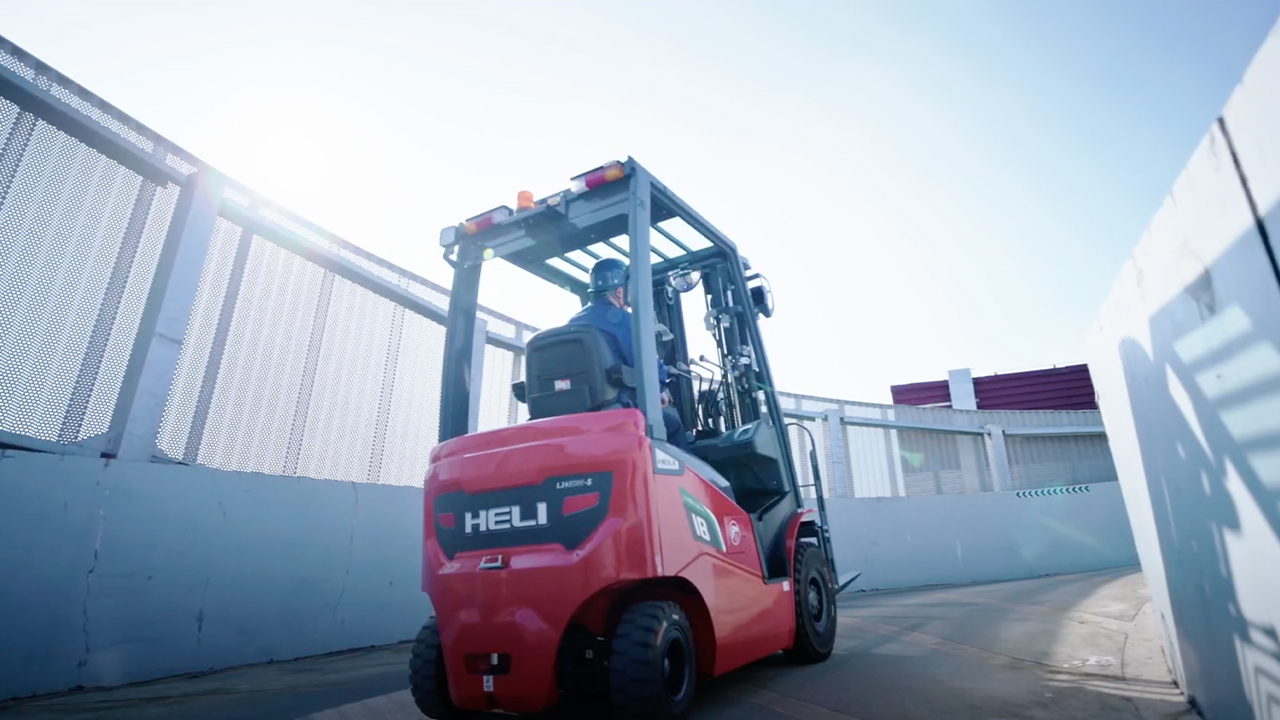
Yes. Forklift reliability depends on manufacturing standards, component quality, servicing support and dealer infrastructure rather than country of origin alone. Established manufacturers such as HELI produce forklifts at global scale using modern manufacturing processes and internationally recognised components across many models such as ZAPI & Inmotion controllers, ZF transmissions, and well-known engines like Kubota or Cummins. Long-term reliability also depends heavily on correct application, regular servicing and the quality of aftersales support. Businesses should assess uptime performance, parts availability and dealer support when comparing forklift brands.
In summary: Heli forklifts offer solid reliability and good value for money. At Grant Handling, we focus on specifying the right HELI truck for the application and supporting it properly through service, parts and technical advice. That combination is what protects uptime and gives customers confidence.Speak to Grant Handling about HELI suitability for your application


