
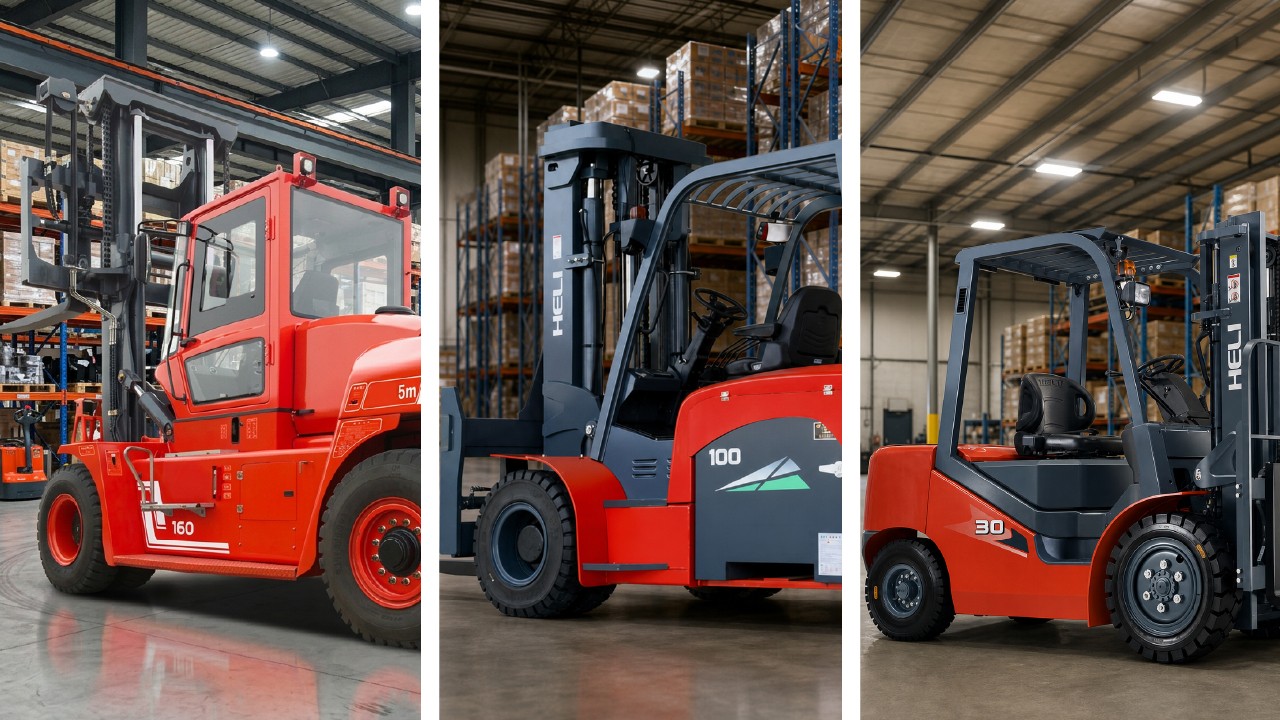
Electric vs Diesel vs LPG Forklifts: Which is Right for Your Operation?
Choosing the right forklift is not simply how it’s powered. The decision affects uptime, running costs, productivity, operator experience, compliance exposure and long-term fleet performance. For many businesses, the choice comes down to electric, diesel or LPG forklifts, but there is no universal 'best' option. The right solution depends on how the equipment will be used, the working environment, load requirements, shift patterns and operational priorities. This guide compares electric, diesel and LPG forklifts from an operational and commercial perspective to help businesses understand which option best suits their warehouse, logistics or industrial operation.
How Businesses Should Choose a Forklift Power Source
The most suitable forklift power source depends on operational requirements rather than simply technology preference. Businesses should assess operating hours, shift patterns, indoor and outdoor usage, load weights, lift heights, charging or refuelling infrastructure, ventilation requirements, downtime risk and future sustainability objectives. A detailed operational review helps identify the most commercially suitable solution based on operational efficiency, uptime and total cost of ownership.
Electric Forklifts: Lower Operational Friction and Cleaner Indoor Performance
Electric forklifts are powered by rechargeable batteries, typically lead-acid or lithium-ion systems. They are widely used in indoor environments where air quality is important these typically include warehouses, logistics operations and manufacturing facilities. They choose electric because they produce zero tailpipe emissions and operate more quietly than internal combustion forklifts. Many UK warehouse and logistics operators are increasingly adopting electric forklifts as energy costs, ESG reporting and emissions expectations continue to evolve and because they can now operate effectively in demanding multi-shift and outdoor applications.
What are the advantages of Electric Forklifts?
Electric forklifts produce zero exhaust emissions during operation, making them well suited to indoor environments where air quality is important. They also operate with lower noise levels, improving working conditions in busy warehouse environments. Maintenance requirements are generally lower than diesel forklifts because electric trucks have fewer moving parts, no engine oil and fewer consumable components. Lithium-ion forklifts additionally support opportunity charging, allowing batteries to be topped up during operator breaks without changing batteries.
What should I consider before Choosing Electric?
Electric forklifts can involve a higher upfront investment, particularly where lithium-ion battery technology is used. One of the most common issues during electric fleet transitions is underestimating charging demand during peak operational periods, particularly in multi-shift warehouse operations before fleet adoption. Runtime depends on battery capacity and operational intensity, although modern lithium-ion systems have significantly improved charging speed and shift coverage compared with traditional lead-acid batteries.
Diesel Forklifts: Robust Outdoor Performance
Diesel forklifts are commonly used for outdoor material handling, heavy loads and demanding applications. They provide strong torque and consistent performance for applications such as builders’ merchants, timber operations, ports, heavy manufacturing and outdoor storage yards. Diesel trucks are often selected for high-capacity lifting and operations where long continuous runtime is required.
What are the advantages of Diesel Forklifts?
Diesel forklifts deliver high power output and strong torque, making them suitable for heavy-duty applications and uneven outdoor surfaces. Refuelling is quick compared with battery charging, which supports continuous operation across long shifts. Diesel trucks are also widely used in applications where infrastructure for battery charging may not yet be practical.
What should I consider before Choosing Diesel?
Diesel forklifts produce exhaust emissions and are generally less suitable for enclosed indoor environments. They also require more routine servicing than electric forklifts, including oil changes, filters and emissions-related maintenance. Fuel costs and long-term maintenance costs should be assessed carefully against operational and sustainability objectives.
LPG Forklifts: Flexible Mixed-Environment Performance
LPG forklifts use liquefied petroleum gas and are commonly selected for operations requiring flexibility between indoor and outdoor environments. They are often used in manufacturing, wholesale distribution and mixed-use operations where forklifts regularly move between warehouses and external yards.
What are the advantages of LPG Forklifts?
LPG forklifts offer faster refuelling than battery charging and generally produce lower emissions than diesel forklifts. They provide strong operational flexibility because they can often be used both indoors and outdoors where ventilation is suitable. For some businesses, LPG can provide a practical transition step while evaluating future electric infrastructure or wider fleet electrification strategies.
What should I consider before Choosing LPG?
Although LPG forklifts produce lower emissions than diesel models, they still generate exhaust gases and require suitable ventilation when used indoors. They also require routine engine maintenance similar to diesel forklifts. Fuel costs can fluctuate depending on LPG pricing and usage levels.
Operational Comparison: Electric vs Diesel vs LPG
- Emissions: Electric forklifts produce zero tailpipe emissions at point of use, making them particularly suitable for enclosed indoor environments. LPG forklifts produce lower emissions than diesel but still require ventilation. Diesel forklifts are generally best suited to outdoor applications.
- Noise levels: Electric forklifts provide quieter operation and lower vibration levels, improving operator comfort while LPG and diesel forklifts generate more engine noise during operation.
- Power output: Diesel forklifts remain common in demanding outdoor and high-capacity applications, although modern lithium-ion electric forklifts are increasingly capable in many of these environments when correctly specified.
- Runtime: Diesel and LPG forklifts support continuous operation through fast refuelling. Electric forklifts depend on battery capacity and charging strategy.
- Maintenance: Electric forklifts typically eliminate engine oil servicing, emissions system maintenance and fuel filtration, reducing planned downtime because they have fewer moving parts. Diesel and LPG forklifts require engine servicing and fuel system maintenance.
- Operating Costs: Electric forklifts often provide lower long-term operating costs through reduced servicing and lower energy costs. Diesel and LPG operating costs depend heavily on fuel prices and servicing requirements.
- Indoor Suitability: Electric forklifts are best suited to indoor warehouses and enclosed operations. LPG forklifts can operate indoors where ventilation is suitable. Diesel forklifts are generally intended for outdoor use.
Looking Beyond Purchase Price: Total Cost of Ownership
Forklift selection should not be based solely on upfront purchase price. Businesses should assess the full operational picture, including fuel or energy costs, servicing requirements, charging or refuelling time, infrastructure investment, downtime exposure, operator productivity and residual value. In many applications, the lowest-cost forklift to buy is not necessarily the lowest-cost forklift to operate over its working life.
Best-Fit Applications by Sector
- Warehousing and Logistics: Electric and lithium-ion forklifts are increasingly used in warehousing and logistics operations where businesses prioritise lower operating costs, reduced emissions, quieter operation and multi-shift efficiency.
- Manufacturing: Manufacturing operations often prioritise uptime, indoor air quality and predictable material flow, making electric forklifts particularly suitable for line-side and indoor production support.
- Builders’ Merchants and Outdoor Operations: Diesel and some rugged electric forklifts are commonly used in outdoor material handling environments where uneven ground, weather exposure and heavy loads are important considerations.
- Mixed Indoor and Outdoor Operations: LPG forklifts are often selected where businesses require flexibility between indoor and outdoor work while maintaining fast refuelling and familiar operating processes.
Questions Businesses Should Ask Before Choosing a Forklift
- How many hours per day will the forklift operate?
- Will the truck operate indoors, outdoors or both?
- What is the operational cost of downtime?
- Is charging infrastructure available or practical?
- Are there ventilation, emissions or safety restrictions on site?
- Will the operation grow or change over the next three years?
- Are sustainability or ESG targets influencing fleet decisions?
- Could improved operator comfort reduce fatigue or improve retention?
Modern Lithium-Ion Forklifts and Changing Industry Trends
Advances in lithium-ion battery technology have significantly changed the forklift market. Many high-capacity lithium-ion forklifts are now capable of handling applications traditionally associated with diesel or LPG trucks. Improved charging speed, longer runtime and reduced maintenance requirements are driving increased adoption across warehousing, logistics and industrial operations.
Environmental and Sustainability Considerations
Environmental regulations and sustainability targets continue to influence forklift purchasing decisions across the material handling industry. Many businesses now evaluate forklift fleets as part of wider ESG reporting, energy management and workplace environment strategies. According to the British Industrial Truck Association (BITA), electric and lithium-ion forklifts continue to increase market share across UK warehousing and logistics operations as businesses focus on operational efficiency, emissions reduction and long-term energy costs.
Choosing the Right Forklift for Your Operation
The most suitable forklift depends on operating environment, shift intensity, load requirements and long-term operational goals. Rather than simply replacing like-for-like equipment, many businesses now review fleet utilisation, shift patterns, energy or fuel usage, maintenance and future operational plans before selecting a forklift power source. A detailed operational review can help identify the most commercially effective solution based on productivity, reliability and lifetime cost.


